
Why Daily Litter Scooping Matters
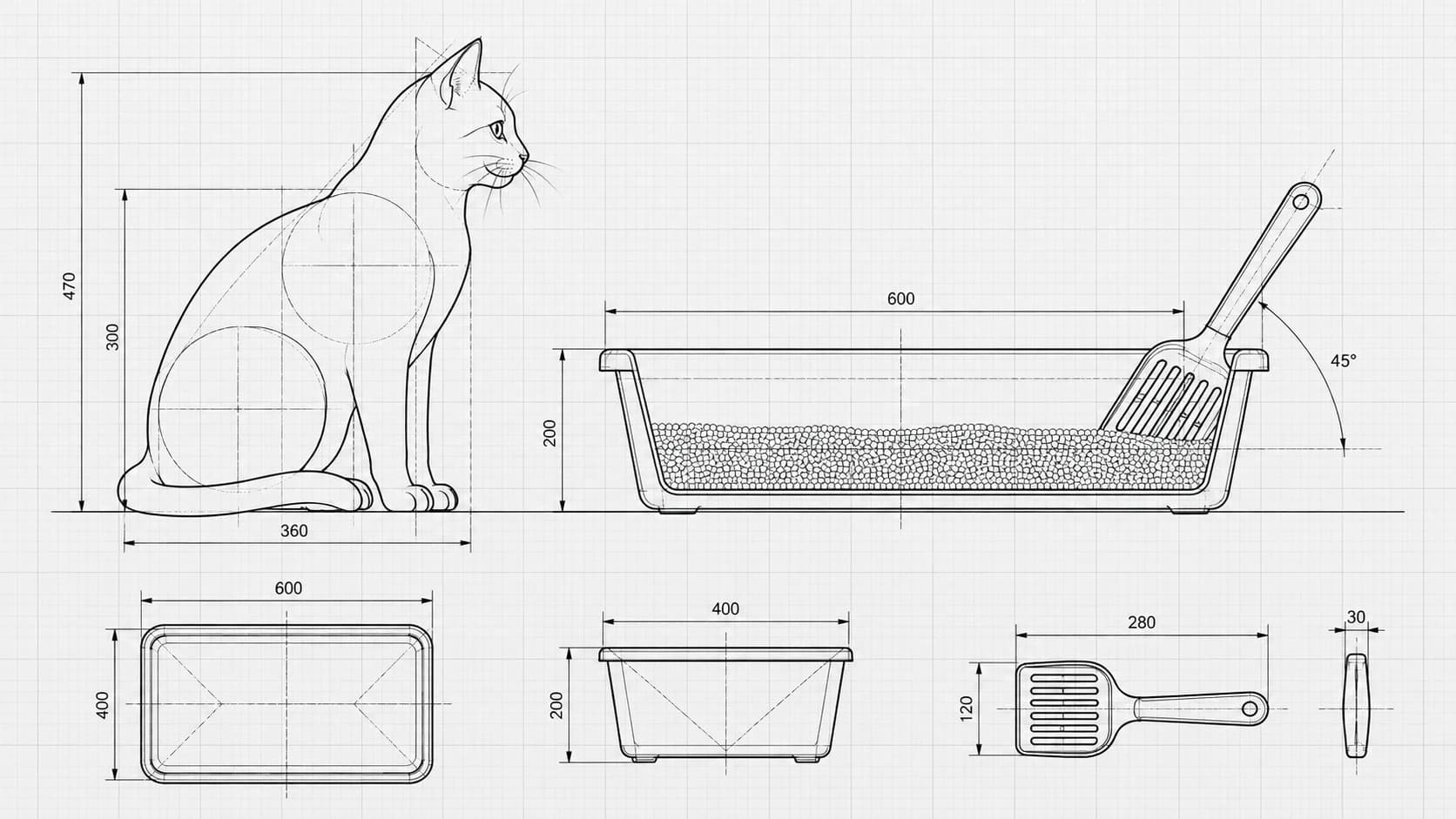
The article is written in connection with our "How Much Cat Litter Calculator".
Let's face it, scooping the litter box isn't the most glamorous part of being a cat owner. But what if we told you that this simple daily task is one of the most important things you can do for your furry friend's health, your family's well-being, and the overall harmony of your home?
It's true! Going beyond basic tidiness, daily litter box hygiene is a cornerstone of preventative healthcare recommended by veterinarians and animal welfare experts worldwide. Let's dive into why that daily scoop is so non-negotiable.
Why Your Cat Demands Cleanliness (It's Not Spite!)
Cats are naturally meticulous creatures. In the wild, burying waste helped them hide from predators and avoid conflict. This deep-seated instinct means domestic cats crave a clean place to do their business.
- A Dirty Box is a Dealbreaker: A box filled with old waste or strong odors is repulsive to most cats. They won't use it out of stubbornness, but because it offends their natural fastidiousness.
- The Dreaded House Soiling: When the box is unacceptable, cats will find alternatives – carpets, beds, laundry piles, even the bathtub. This isn't misbehavior; it's a desperate search for a clean spot. Sadly, inappropriate elimination is a major reason cats end up in shelters.
- Stress and Anxiety: Imagine needing the restroom and finding it utterly disgusting. That's the stress your cat faces with a dirty box. This anxiety can contribute to house soiling and other behavioral issues, straining the bond you share.
Key Takeaway: While cats have preferences for litter type, box size, and location, cleanliness is the universal requirement. Daily scooping prevents litter box aversion before it becomes a hard-to-break habit.
Hidden Dangers: How a Dirty Box Impacts Your Cat's Health
Neglecting the litter box doesn't just offend your cat's sensibilities; it poses serious physical health risks:
- Urinary Tract Problems (FLUTD & Blockages): This is a big one! According to the Cornell Feline Health Center, surveys suggest that feline lower urinary tract disease (FLUTD) is the number-one reason cats visit veterinary practices, and urinating outside the litter box is one of its signs. Stress seems to be an important factor in the most common diagnosis, idiopathic cystitis. Cornell's advice for reducing that stress includes giving your cat a safe, clean area in which to urinate.
- EMERGENCY ALERT: Male cats are at greater risk of a complete blockage of the urethra, caused by urinary stones or urethral plugs. This is a life-threatening emergency. When the urethra is completely blocked, the kidneys can no longer remove toxins from the blood properly, and the cat may develop dangerous electrolyte imbalances. Death can follow within 24 to 48 hours, so a cat that strains to urinate and passes little or no urine needs a vet immediately.
- Parasite Re-infection: According to the Companion Animal Parasite Council (CAPC), most roundworm eggs need 2 to 4 weeks in the environment to develop to the infective stage, and cats become infected by swallowing infective eggs from a contaminated environment. CAPC adds that prompt removal of feces from the litter box helps keep eggs from remaining in the environment.
Bonus Benefit: Daily scooping turns a chore into a health monitoring tool! According to the Cornell Feline Health Center, as the kidneys lose their ability to concentrate urine, cats with kidney disease may urinate greater volumes and drink more water. The same center lists increased thirst and urination as one of the two most common signs of diabetes that owners notice at home. Scooping daily makes it easy to notice if the amount of urine changes, so mention it to your vet.
Protecting Your Family: Human Health Hazards Lurking in the Litter
Yes, the state of the litter box impacts human health too. Cat feces can contain pathogens transmissible to people (zoonotic diseases).
- Toxoplasmosis (The 1-5 Day Rule):
- What it is: A parasite (Toxoplasma gondii) whose infectious stage develops in cat feces after they've been in the environment.
- The Key: Oocysts shed in fresh feces are not immediately infectious. They need 1 to 5 days to sporulate and become capable of causing infection.
- Why Daily Scooping Works: Removing feces daily eliminates oocysts before they become a risk via the litter box.
- Who's at Risk: While often mild in healthy adults, Toxoplasmosis can be severe for immunocompromised individuals and cause serious congenital defects if a woman acquires a new infection during pregnancy.
- Prevention is Key: Daily scooping, handwashing, having non-vulnerable individuals clean the box if possible (or using gloves/mask), cooking meat thoroughly, and keeping cats indoors significantly reduce risk.
- Bacterial Threats (Salmonella & More): Cat feces can carry bacteria like Salmonella and Campylobacter, which cause gastrointestinal illness in humans. Transmission occurs via the fecal-oral route (accidentally ingesting bacteria after cleaning, touching contaminated surfaces, or even handling the cat). Bartonella henselae (Cat Scratch Disease) might also be present.
- Ammonia Irritation: That sharp ammonia smell from old urine isn't just unpleasant. At high levels in the air, ammonia can irritate the eyes, throat, and lungs and cause coughing, and some people with asthma may be more sensitive to breathing it, according to the Agency for Toxic Substances and Disease Registry (ATSDR).
Key Takeaway: Daily scooping drastically reduces your exposure to infectious parasites and bacteria and keeps the ammonia smell down. Always wash your hands thoroughly after cleaning!
A Fresher Home & Less Mess
Beyond the critical health aspects, daily hygiene simply makes for a nicer living environment:
- Odor Control: The primary sources of odor are decomposing feces and ammonia from urine. Removing waste daily tackles odor at its source, far more effectively than sprays or scented litters (which can actually deter cats!).
- Reduced Tracking: When the box is clean, there's less contaminated material for your cat to track through the house on their paws. Using litter mats and appropriate box types also helps.
- Better Sanitation: Fewer germs in the box mean fewer germs potentially spread around your home. Remember to use an enzymatic cleaner for any accidents outside the box to eliminate odor cues only your cat can smell.
The Expert Consensus: Daily is the Gold Standard
Veterinary organizations (like the AVMA and AAHA), animal welfare groups (like the ASPCA), and public health bodies (like the CDC) are unanimous:
- Scoop at least once daily.
- Completely change the litter regularly.
- Wash the box with mild, unscented soap and hot water during litter changes. Rinse thoroughly and dry completely. Avoid harsh chemicals or strong scents.
- Remember the "N+1 Rule": Provide one box per cat, plus one extra.
The Choice is Clear: Daily Scooping is an Investment
Daily litter box scooping is far more than a simple chore. It's a fundamental act of responsible pet ownership – a vital investment in your cat's behavioral well-being, their physical health (preventing potentially fatal conditions!), your family's health, and a clean, harmonious home environment.
Make the daily scoop part of your routine. It's a small task with massive benefits for everyone sharing your home.
If your cat is eliminating outside the box despite a consistently clean litter setup, please consult your veterinarian to rule out underlying medical issues.